The "SOL" in this site's name is the native coin of Solana, a public blockchain whose main network went live in beta in March 2020. It was designed around one priority: speed. To understand why meme coins flourished on it, it helps to know a little about how it keeps time and why sending a transaction usually costs a fraction of a cent.
A clock built from hashes
Most blockchains spend a lot of effort agreeing on when something happened. Solana adds a component called Proof of History: a long chain of cryptographic hashes, each computed from the previous one. Because each step takes a known amount of computing work, the chain acts as a verifiable clock. Validators can order transactions against it without constantly asking each other what time it is.
Proof of History does not replace consensus. Agreement on which blocks are final still comes from Proof of Stake: validators lock up SOL, vote on blocks and earn rewards, and holders can delegate their SOL to a validator of their choice.
Slots, blocks and speed
Solana divides time into slots of roughly 400 milliseconds, and a designated leader may produce a block in each one. In practice, a transfer usually confirms in a second or two. That speed, plus low fees, is why fast-moving activities such as token launches, trading bots and on-chain games cluster on the network.
| Term | Meaning |
|---|---|
| SOL | The native coin, used for fees and staking |
| Lamport | The smallest unit: one billionth of a SOL |
| Validator | A computer that votes on blocks and stores the ledger |
| Slot | A short time window in which a block can be produced |
| SPL token | A token created with Solana's standard token program |
Why fees are low, and when they are not
Each transaction pays a small base fee per signature, set in lamports. Users can add an optional priority fee to get processed sooner when the network is busy. During a frantic token launch, priority fees climb, and transactions without them may fail. A failed transaction on Solana still costs its fee, which surprises many newcomers.
The trade-offs
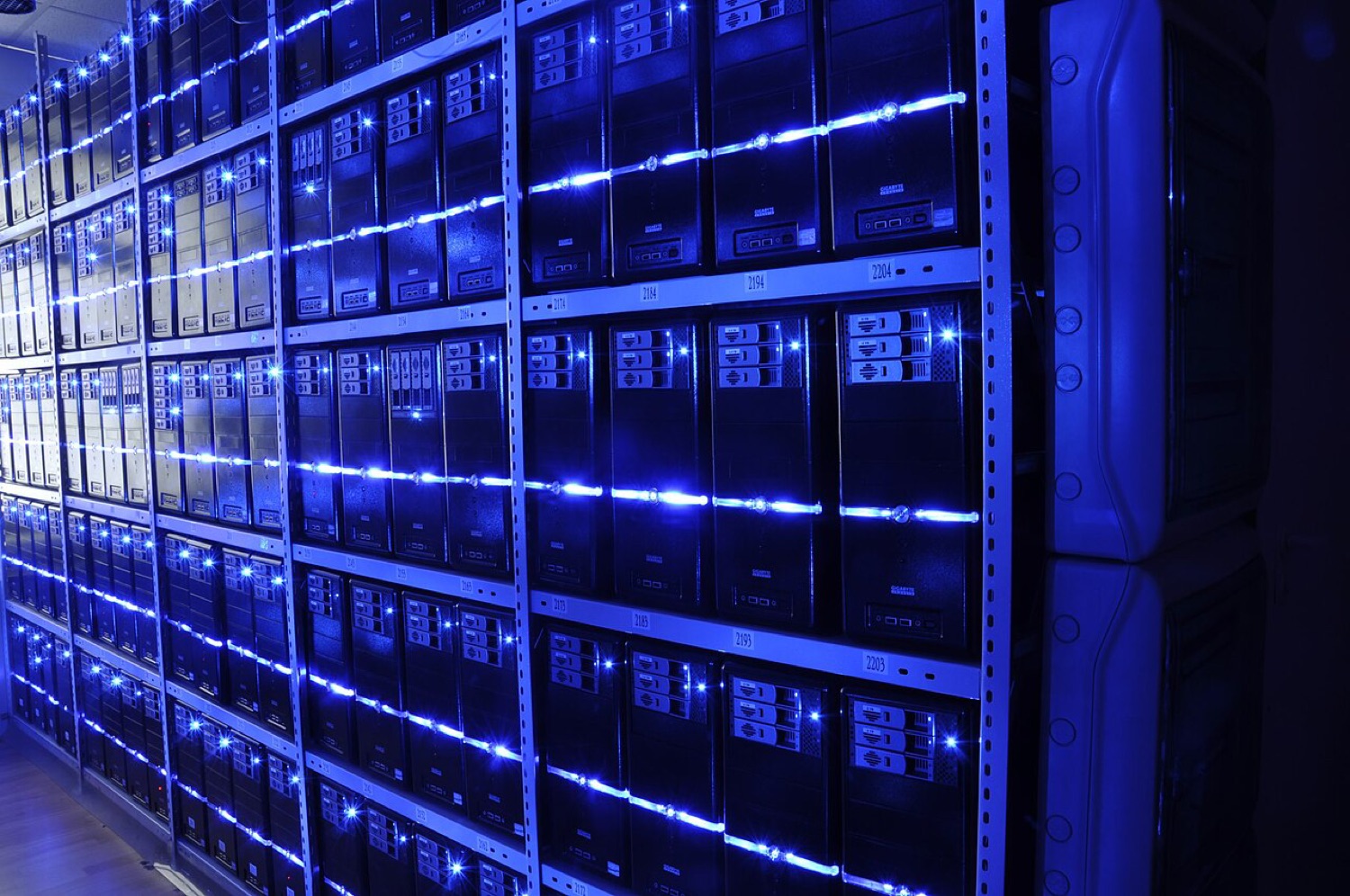
Speed has costs. Running a validator requires powerful hardware, which critics argue limits how many people can take part. The network has also had several well-publicised outages, especially in its early years. Supporters point to steady improvements since then. Both views are worth holding at once.
Fast chains, fast games
Settlement in seconds is exactly what on-chain games want, so it is no surprise that Solana hosts dice, coin-flip and crash games alongside its tokens. Speed changes how a game feels, not its odds, a point we unpack in crash games and pump charts.
Quick answers
Not on its own. It is a clock that orders events; consensus comes from Proof of Stake voting by validators.
Validators did work to process it, so the base fee is charged whether the transaction succeeds or not.