The third box on the archived page said Treasury 6.9%. The number is an internet joke, but the idea behind it is serious: part of the supply sits in a wallet controlled by the team, reserved for marketing, listings or "community" spending. Treasuries are normal in crypto. How they are handled is what separates a careful project from a risky one.
What a treasury is supposed to do
In theory, a treasury pays for things a token needs after launch: design work, exchange listing fees, liquidity on new venues, rewards for contributors. In practice it is also a pile of tokens that can be sold at any time, and every sale lands on the same market that holders trade in.
Five questions to ask about any treasury
- Which wallet is it? A project that will not publish the address is asking for blind trust.
- Who can sign? A single key controlled by one anonymous person is the weakest set-up. A multisignature wallet that needs several approvals is stronger.
- Is it vested? Tokens released gradually over months create less sudden pressure than tokens available on day one.
- What has it spent? On-chain history shows every outgoing transfer. Large transfers to exchanges usually mean sales.
- Is the purpose written down? "Marketing" with no further detail is common and worth little.
Reading the wallet
Treasury wallets are public. A block explorer shows the balance, incoming and outgoing transfers and, often, labels for known exchange deposit addresses. Watching a treasury wallet for a few minutes tells you more than any amount of roadmap text.
| Set-up | Who controls it | Risk |
|---|---|---|
| Single key | One person | Highest: one decision moves everything |
| Multisig | Several signers | Lower: needs agreement |
| Vesting contract | Code releases over time | Lower: pressure arrives slowly |
| Burned | No one | None, but no budget either |
The bank in the room
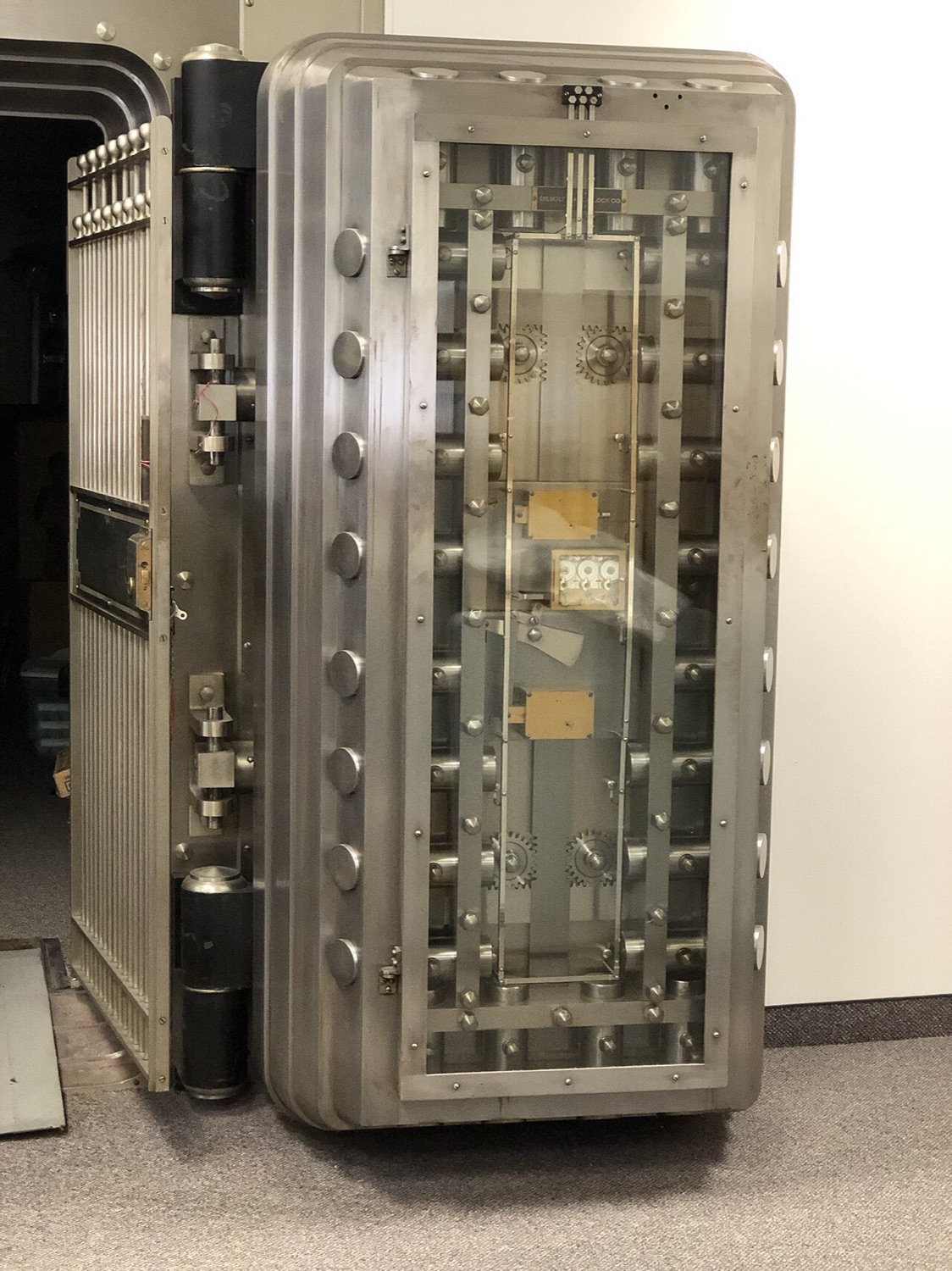
In a casino the bank is visible: the chips in the rack, the cashier's cage, the published rules. A token treasury is the bank of a meme coin, except that nothing obliges it to behave. If you would not sit at a table where the dealer could quietly pocket chips mid-game, apply the same standard here. Our explainer on who takes a cut follows the money in both worlds.
Quick answers
It is a meme number. Projects use 4.20%, 6.9% and similar figures as an in-joke; the percentage itself has no technical meaning.
Not by itself. An undisclosed, single-key treasury with no stated purpose is the red flag.